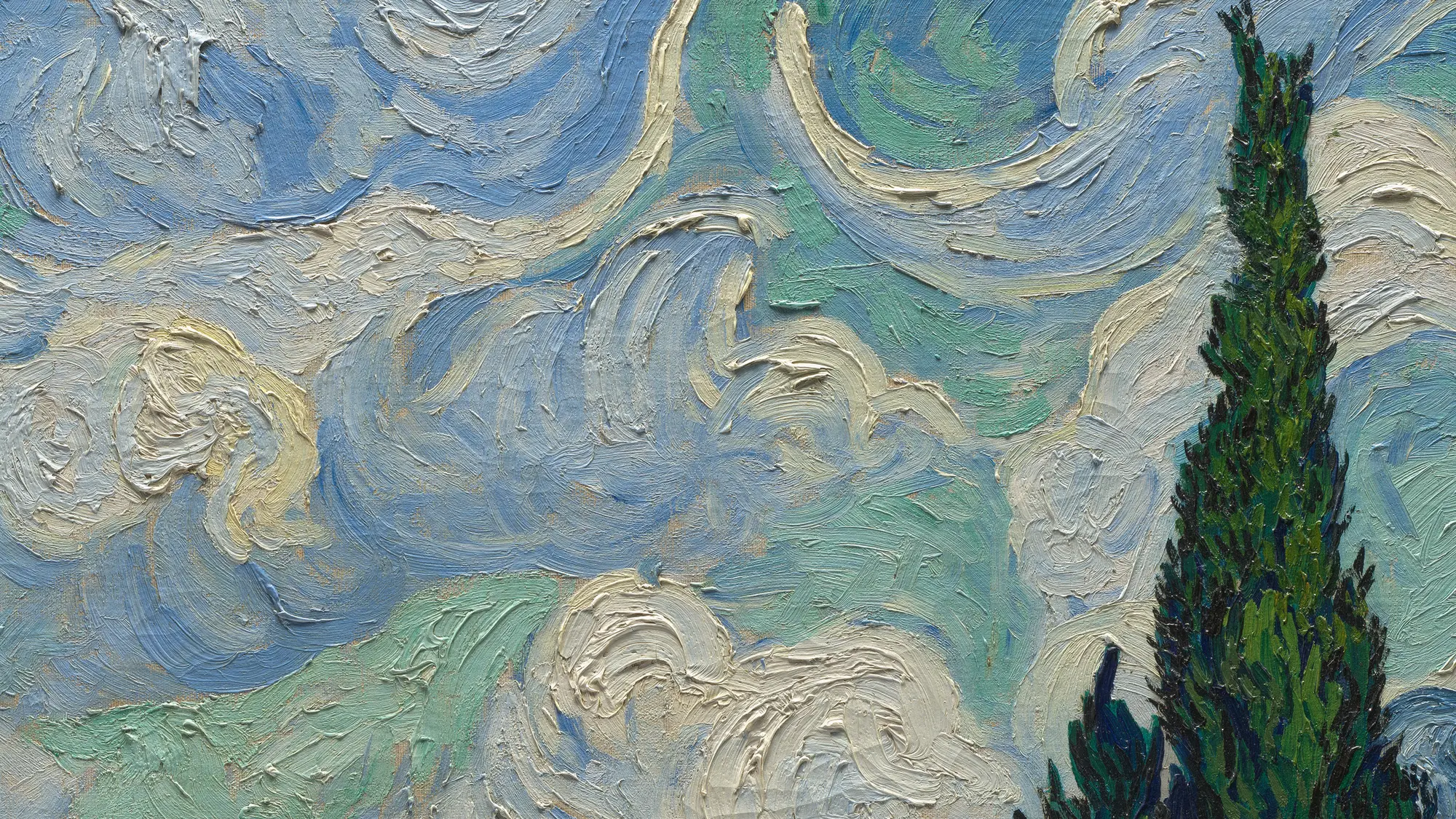
Real art, hung with its making.
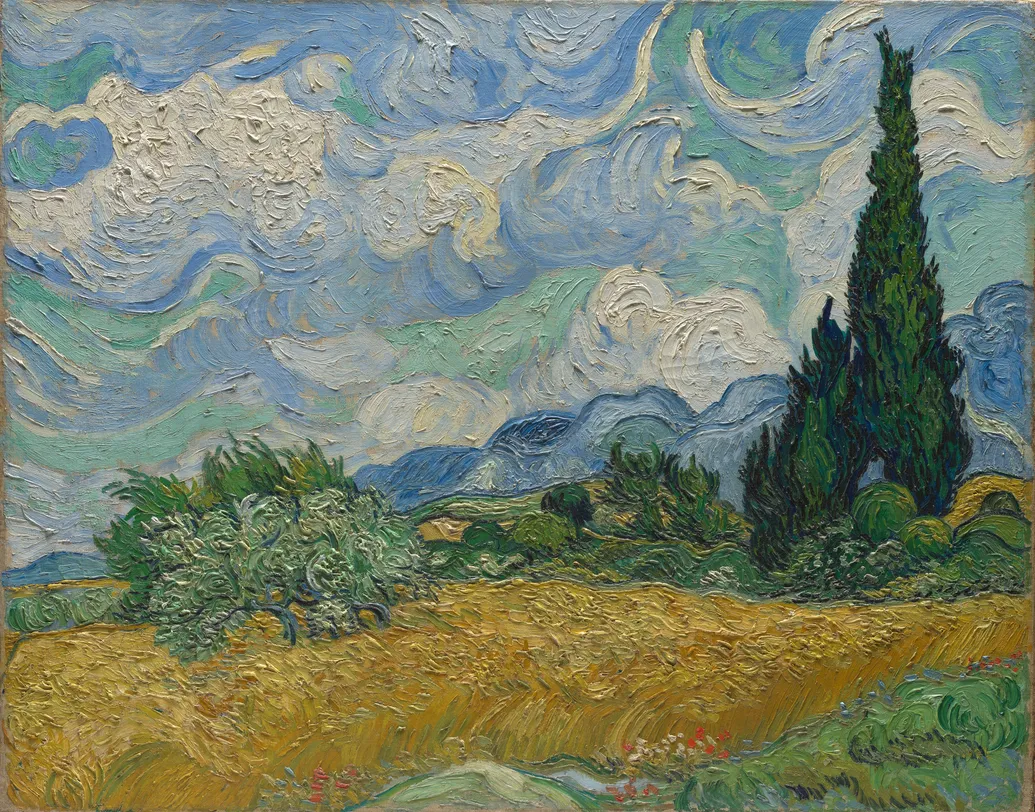
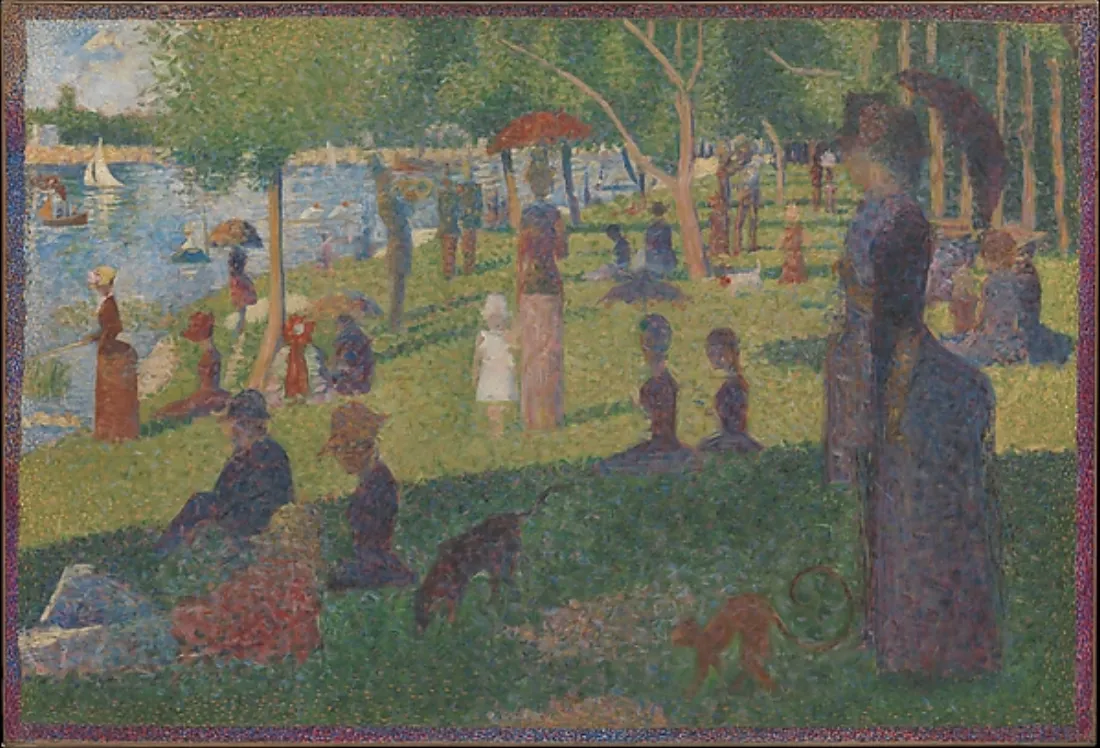
Up close, every stroke shows how a picture was made. On Manmade, artists record that making as they work, and every piece hangs with its record.
I
Made on the record
While an artist works, the browser keeps a frame every minute or two, signs it on their own device and chains it to the one before. Fingerprints of that chain are anchored on NEAR as they go. When the work is finished, the record is checked against the final file, and the facts are signed onto the piece: how gradually it built up, the largest single jump, the time on record.
Every piece is its own account on NEAR, so its record, its rights and its sale history travel with it.
II
A label says only what the record shows
Nobody can prove from a picture that no machine was involved, and Manmade never claims to. Each label states one of three things, in the same words every time.
- E0Declared by the artistThe artist says it is theirs; the record is too short or too thin to say more.
- E2Recorded while madeFor example: “Recorded while made: 94% built up on camera, 20–30h over 9 days.”
- E3Recorded, with live checks passedSomeone else asked for a code, and it appeared in the work while it was being made.
III
Questions, not verdicts
When something in a record does not add up, a reader can ask about it and ask for more of the making. The artist answers. A question appears beside the work only when most readers who rated it found it useful, and it never changes what the record shows.
How reader questions workA reader asked
Does the making match the finished piece?
Between the second and third public frames the whole background appears at once, with no sketch underneath.
Asked for more frames of the making. The artist made 4 more frames public.
The artist answered
I block in the background on paper first; the early frames are public now.
IV
Support it, collect it, and the artist is paid again
Visitors can send an artist a tip from any work, whether or not it is for sale. If the artist offers a work, a collector can take it home with its files and the rights on its label, and every time it is resold the artist receives a royalty.
Taking a commission? Set one up — the client’s payment waits in the piece until they accept.
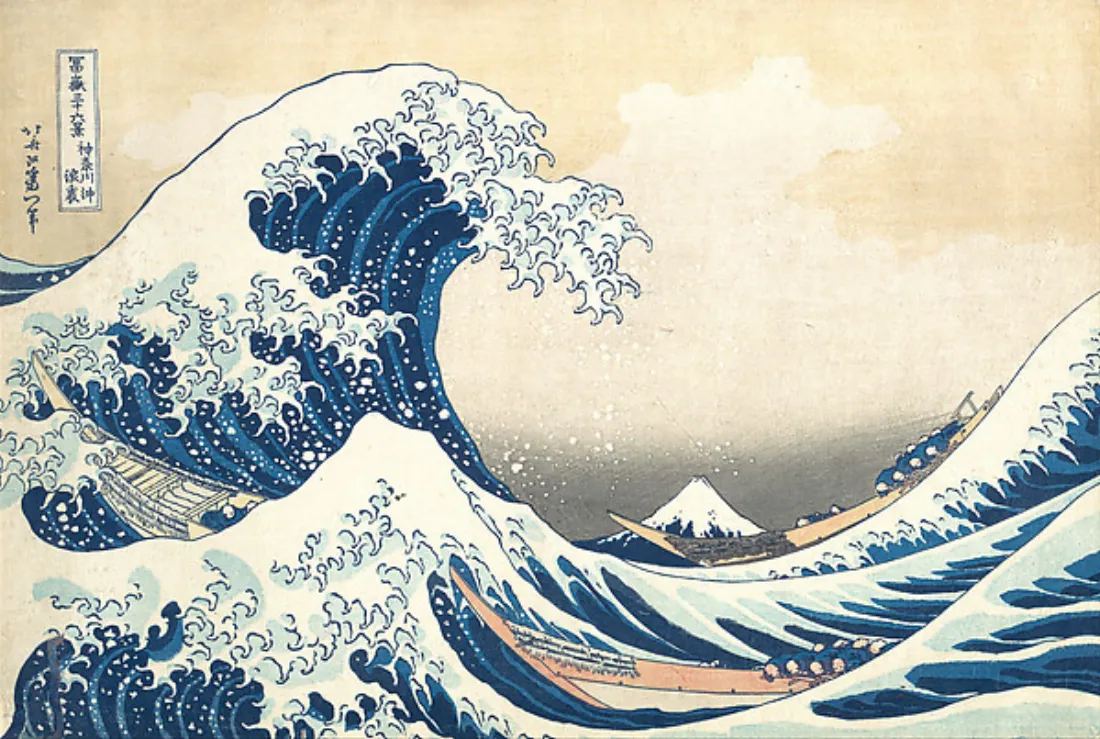
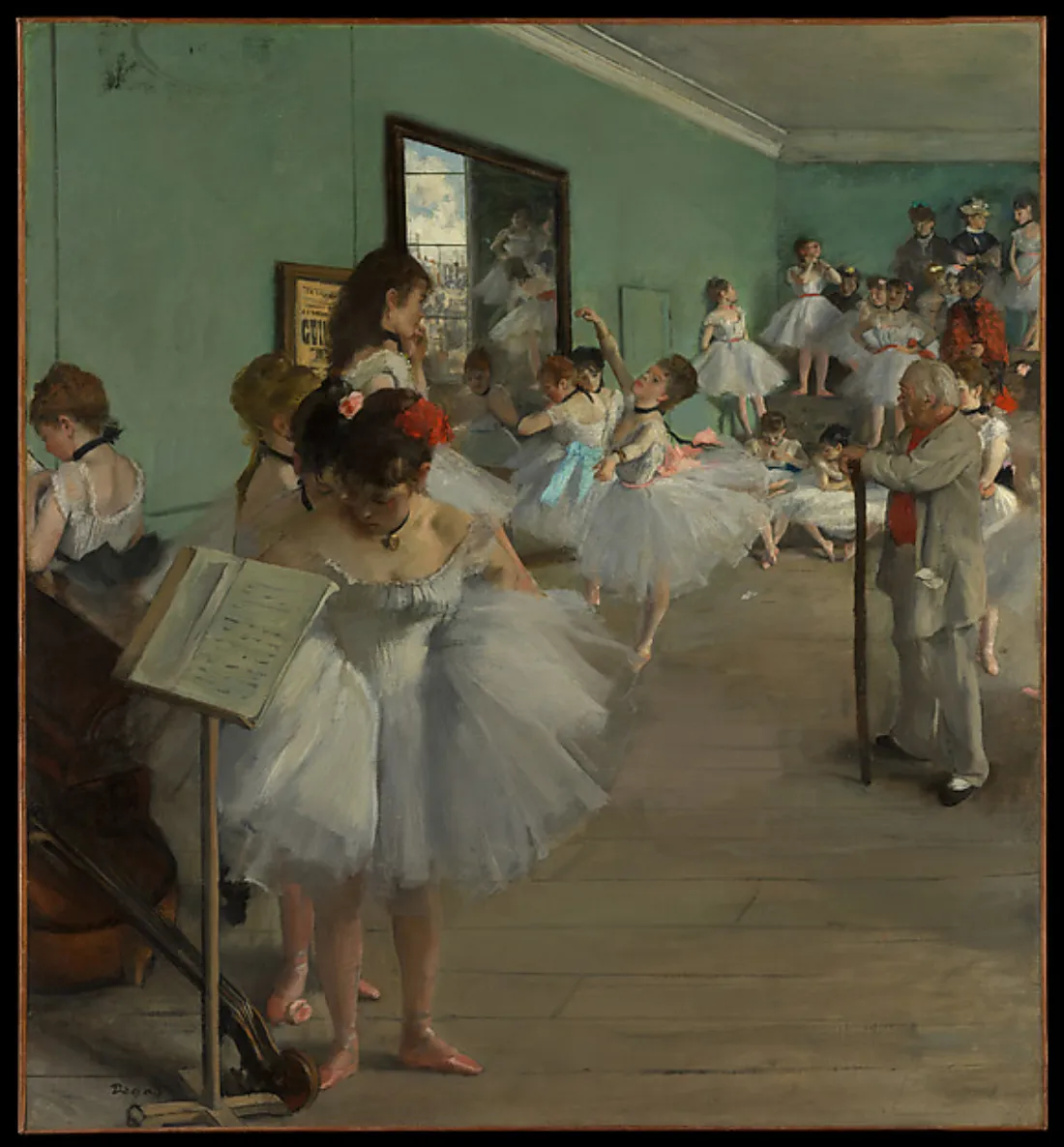
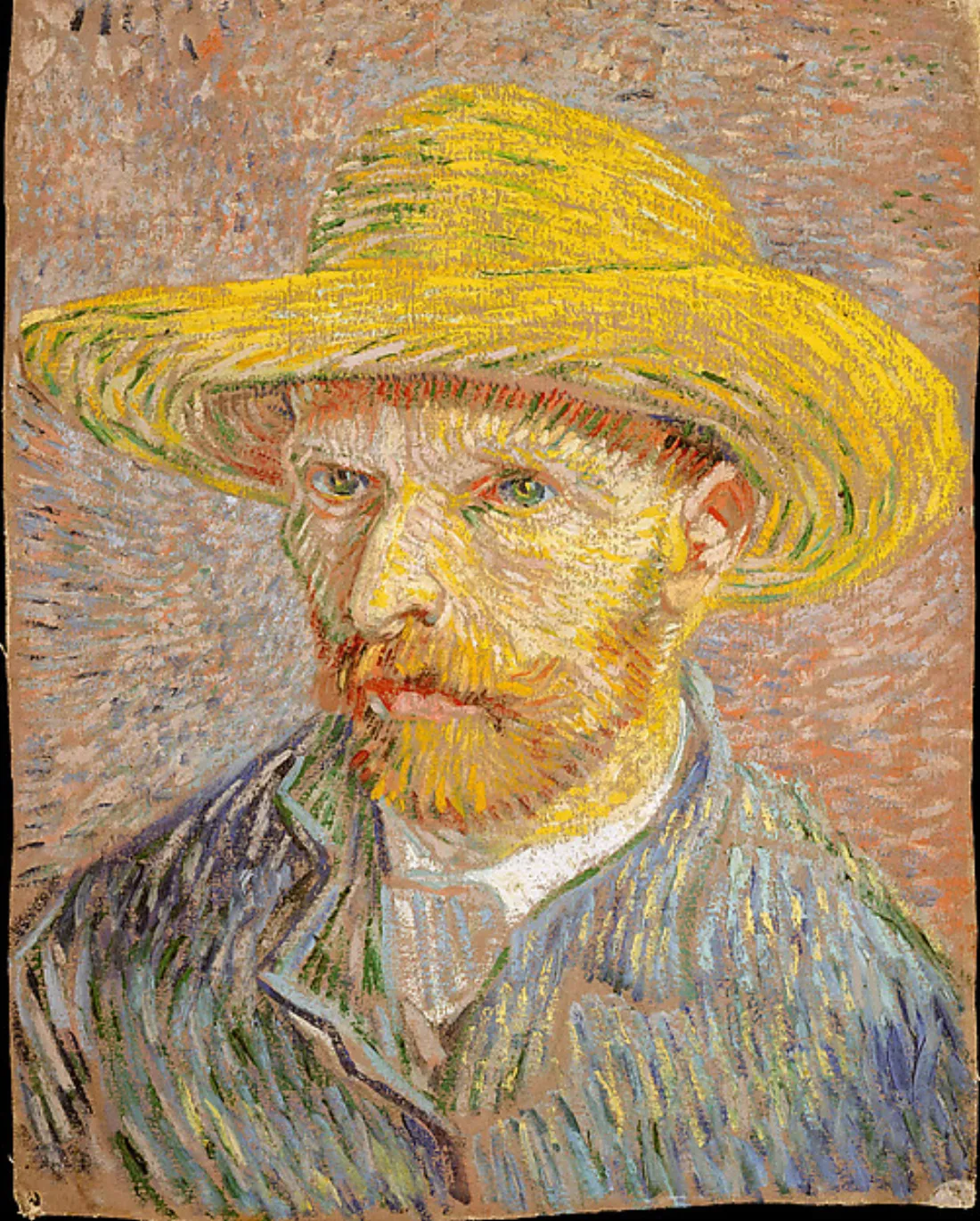
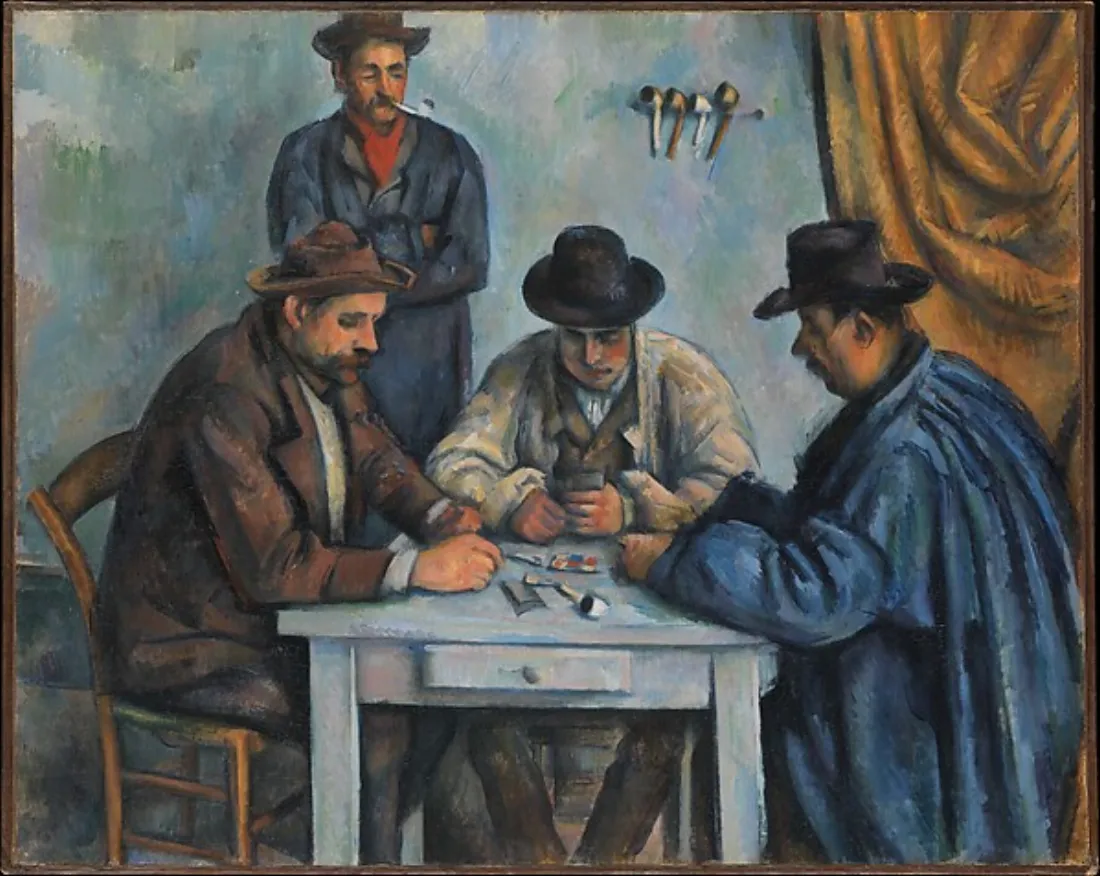
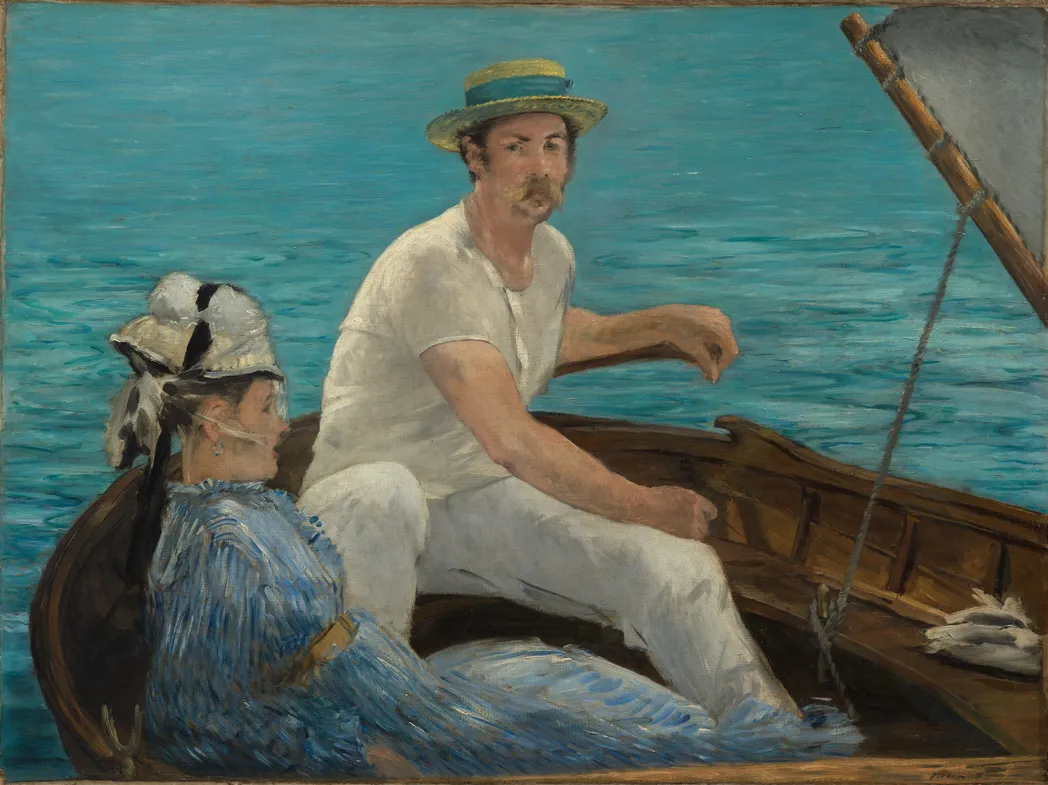
Seen through the door: Under the Wave off Kanagawa, The Dance Class, Self-Portrait with a Straw Hat, The Card Players, Boating — examples from The Met.
The gallery is through here.
Sort by price, by what the record shows, or by artist; open any work to follow its making.
Enter the gallery